


 #1 Gold IRA Company
Gold IRA Kit Free: The Professional Guide to Building a Precious Metals IRA With Confidence
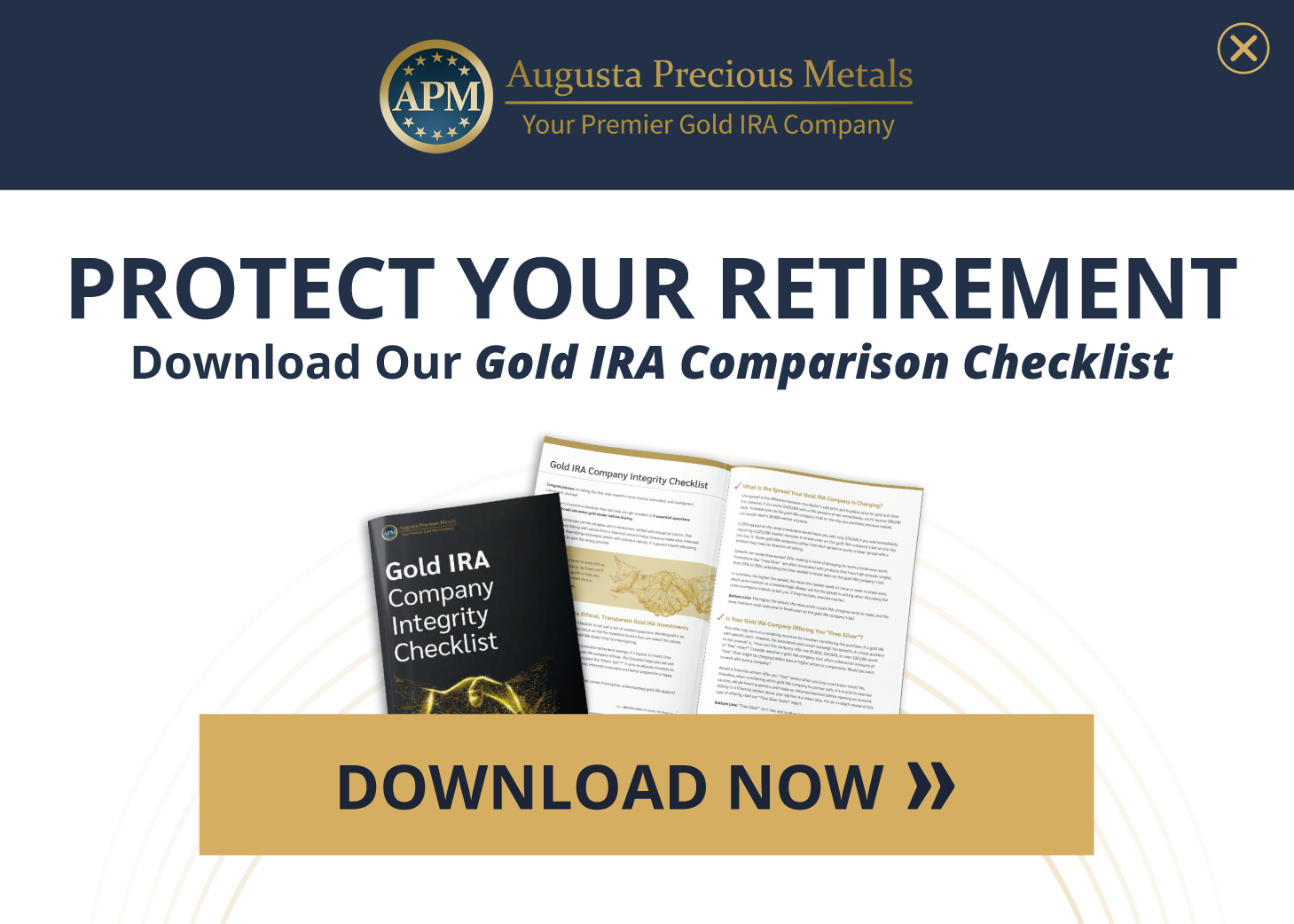
A gold IRA kit free offer is designed to help investors make informed decisions about adding physical gold and other precious metals to a retirement account. A free gold IRA kit typically includes investor education materials, up to date information on IRS rules, eligible accounts, contribution limits, and a detailed breakdown of the rollover process for a self directed IRA. For many investors—especially new investors seeking a beginner friendly approach—this smart first step can clarify how precious metal investments work, what to verify, how to avoid costly IRS mistakes, and how to compare reputable precious metals companies.
In an era of inflation, economic uncertainty, and concerns about national debt, more seasoned investors and first-time investors are evaluating gold and silver as a way to protect retirement savings and help secure a financial future. While paper assets and traditional assets can play an important role in retirement planning, a self directed gold IRA can offer diversification using metals such as gold, silver, platinum, and palladium. The purpose of this guide is to show how an IRA kit helps investors understand process, security, and compliance while comparing gold IRA companies and their services.
What a Free Gold IRA Kit Is (and Why It Matters)
A free gold IRA kit is a set of materials provided by a gold IRA company to educate investors about a precious metals IRA. The kit is typically requested online and delivered digitally or by mail. It is not the same as opening an account, and it does not obligate you to invest. Instead, it provides clarity and confidence so you can align precious metal investments with investment goals and long term benefits.
What a Gold IRA Kit Usually Includes
- Core IRS guidelines for a self directed IRA and self directed gold IRA
- Eligible accounts for funding (traditional IRA, Roth IRA, and certain employer plans depending on rules)
- Contribution limits and general IRA considerations
- Steps in the rollover process and transfer process
- Approved forms of physical gold, gold coins, and gold bars that may qualify (subject to IRS requirements)
- Information on silver products and gold and silver products, plus other precious metals such as platinum and palladium
- Custodian and depository basics and why storage rules matter
- A checklist to verify reputable precious metals companies
- Common costly IRS mistakes to avoid
- How direct purchases work inside a retirement account through the custodian
Why Many Investors Request a Gold IRA Kit Free
- Investor education: Understand precious metals IRA rules before moving retirement savings
- Confidence: Learn the process and security standards used by most companies
- Comparison shopping: Evaluate gold IRA companies, fees, and service models
- Risk awareness: See how economic uncertainty, inflation, and gold prices relate to long-term retirement planning
- Clarity on products: Understand gold and silver products versus collectible coins and non-eligible metals
How a Gold IRA Works: The Retirement Account Structure
A gold IRA is a type of self directed IRA that can hold physical gold and other precious metals rather than being limited to traditional assets like stocks and bonds. The structure is designed to comply with IRS rules. The IRA owner makes investment choices, but the account is administered by an IRA custodian, and the metals are stored in an approved depository rather than at home.
Key Entities in a Precious Metals IRA
- Investor/Account owner: Sets investment goals and chooses products within IRS guidelines
- IRA custodian: Administers the self directed IRA and executes purchases
- Precious metals dealer: Sources IRS-eligible metals and facilitates direct purchases through the custodian
- Depository: Provides secure, insured storage and security controls
Gold and Silver Products Commonly Used in IRAs
Within the framework of the IRS, investors often choose a mix of gold and silver to diversify metals exposure. Depending on eligibility requirements, common selections include certain gold coins, gold bars, and silver products. Other precious metals—platinum and palladium—may also be available for a precious metals IRA, subject to IRS rules and product availability.
Why Investors Consider Physical Gold and Other Precious Metals
Precious metals have historically been used as a store of value. While no investment is risk-free and gold prices can fluctuate, some investors use physical gold and silver to help diversify away from concentrated exposure to paper assets. In periods of inflation or heightened economic uncertainty, metals may be evaluated as a hedge component within broader retirement planning.
Common Reasons Investors Add Precious Metals to Retirement Savings
- Diversification beyond traditional assets
- Potential inflation sensitivity compared with some paper assets
- Portfolio resilience planning during economic uncertainty
- Long term benefits as part of a disciplined retirement planning strategy
- Preference for tangible metals like gold bars and gold coins
Important Considerations Before You Invest
- Volatility: Gold prices and silver prices move; precious metal investments can rise or fall
- Time horizon: Align metals allocation with investment goals and retirement timeline
- Fees: Custodian, storage, and transaction costs differ across gold IRA companies
- Compliance: IRS rules on storage, distributions, and eligible metals are strict
Gold IRA Kit: How to Use the Materials for Better Decisions
An IRA kit is most valuable when it’s used as a decision tool rather than marketing content. Use your gold IRA kit to compare company policies, confirm compliance, and understand the process step by step. Investor education and up to date information reduce the chance of errors that can jeopardize a retirement account.
Checklist: What to Verify Using Your Free Gold IRA Kit
- Confirm the company supports a self directed gold IRA with an IRS-approved custodian model
- Ask for a clear fee schedule: custodian fees, storage fees, and any dealer markups
- Verify storage: approved depository, insurance, segregation options, and security practices
- Confirm eligible metals: which gold and silver products qualify, including minimum fineness standards
- Review the rollover process timeline for your eligible accounts
- Ask how direct purchases are executed and documented
- Evaluate support and investor education: access to materials and a dedicated specialist
- Check credibility indicators such as BBB rating and complaint handling approach
- Understand policies around promotions (such as free silver or free precious metals) and how pricing is disclosed
- Review distribution rules for traditional IRA and Roth IRA structures and how metals are liquidated or delivered
Eligible Accounts, Contribution Limits, and Funding Options
Funding a gold IRA can occur through contributions (subject to contribution limits) or by moving existing retirement assets via a transfer or rollover process. A free gold IRA kit should outline how eligible accounts work and what documentation is typically required.
Common Eligible Accounts for a Gold IRA Strategy
- Traditional IRA: often used for tax-deferred retirement savings
- Roth IRA: often used for tax-advantaged growth subject to rules
- Self directed IRA: the structure that allows alternative assets like precious metals
- Certain employer plans: may be eligible depending on plan rules and employment status
Rollover Process vs. Transfer Process
- Transfer process: typically moves IRA-to-IRA assets custodian-to-custodian
- Rollover process: often refers to moving assets from an employer plan or distributing then redepositing under IRS rules
Because mistakes can trigger taxes or penalties, a gold IRA kit should emphasize avoiding costly IRS mistakes and following IRS timelines and documentation requirements.
How to Avoid Costly IRS Mistakes With a Self Directed Gold IRA
IRS compliance is central to a precious metals IRA. Many problems arise from misunderstanding storage rules, executing improper distributions, or buying non-eligible metals. A professional gold IRA kit free package should highlight key risks so investors can protect retirement savings.
Common Compliance Errors to Avoid
- Home storage schemes: attempting to store IRA metals at home instead of an approved depository
- Buying collectibles: purchasing coins or products that do not meet IRS eligibility
- Improper titling: metals must be purchased and held correctly within the IRA structure
- Missing rollover deadlines: errors can convert a rollover into a taxable event
- Inadequate documentation: failing to keep custodial records in good order
Security, Insurance, and Storage Basics
A compliant gold IRA uses a custodian and an approved depository. Depositories are designed for secure storage with security controls and insurance. Your IRA kit should detail storage options, including commingled or segregated storage, and explain how audits and reporting generally work.
Comparing Gold IRA Companies: What Sets Reputable Providers Apart
Not all gold IRA companies offer the same service model, education quality, or transparency. A free gold IRA kit is a starting point, but a thorough comparison should include fees, product selection, service responsiveness, and compliance support.
Traits of Reputable Precious Metals Companies
- Clear, written fee disclosures
- Investor education materials with up to date information
- Established custodian and depository relationships
- Transparent pricing explanations on gold and silver products
- Support that helps investors make informed decisions rather than rushing the process
- Credibility indicators such as BBB rating and long operating history
How Promotions Like Free Silver or Free Precious Metals Work
Some companies advertise promotions such as free silver or free precious metals. A professional evaluation focuses on total value and transparency. Promotions may be funded through pricing structures, spreads, or credits; what matters is that the company provides clear disclosures so investors understand the full economics of the transaction.
Industry Names Investors Research: Augusta Precious Metals, Birch Gold Group, and Noble Gold
Investors commonly compare well-known providers while researching the best gold IRA for their needs. Names often researched include Augusta Precious Metals, Birch Gold Group (also called Birch Gold), and Noble Gold. Each company may differ in minimums, service style, educational materials, product menus, and how they handle the process from IRA kit request through direct purchases and ongoing support.
Augusta Precious Metals: Education-First Positioning
Augusta Precious Metals is often discussed in the market for its investor education approach. Investors evaluating “Augusta includes” claims should look for specifics in what the education covers, whether materials address IRS compliance, how the company handles the rollover process, and what support is provided for retirement planning decisions.
Birch Gold Group and Birch Gold: Comparing Service and Product Access
Birch Gold Group is frequently researched by investors seeking precious metals IRA information and access to gold and silver products. When comparing Birch Gold or any company, evaluate fee transparency, storage arrangements, and how clearly the IRA kit explains eligible metals and account rules.
Noble Gold: What to Check During Due Diligence
Noble Gold is another brand investors may review when comparing gold IRA companies. The same due diligence applies: verify disclosures, understand the pricing model, confirm depository and custodian standards, and ensure the IRA kit supports informed decisions for your investment goals.
Gold IRA Kit Free: What to Look For in a High-Quality IRA Kit
Not all kits are equal. A high-quality gold IRA kit should provide practical tools, not vague promises. It should make it easier to evaluate precious metal investments as part of retirement planning and to understand the security and IRS rules governing a self directed IRA.
High-Value IRA Kit Components
- Plain-language explanation of how a gold IRA works
- Product eligibility guidance for gold coins, gold bars, silver products, platinum, and palladium
- Rollover process flowchart and timing expectations
- Fee worksheet for comparing most companies
- Questions to ask custodians, dealers, and storage facilities
- Risk and volatility overview related to gold prices and market conditions
- Notes on paper assets correlation and diversification principles
Step-by-Step: Opening and Funding a Self Directed Gold IRA
While exact steps vary, the process generally follows a structured path. A professional gold IRA kit should outline each stage so investors can proceed with confidence and avoid costly IRS mistakes.
Numbered Process Overview
- Request your gold ira kit free materials and review investor education content
- Confirm your investment goals, timeline, and preferred metals allocation (gold and silver, plus other precious metals if desired)
- Open a self directed IRA with an approved custodian
- Select a storage solution at an approved depository with appropriate security and insurance
- Fund the account through contribution limits compliance, a transfer process, or a rollover process from eligible accounts
- Choose IRS-eligible gold and silver products (and other precious metals if applicable)
- Authorize direct purchases through the custodian; metals ship to the depository
- Receive confirmations and maintain records for IRA reporting
- Monitor holdings as part of retirement planning and rebalance if needed
Choosing Metals: Gold, Silver, Platinum, and Palladium
Many investors focus on gold and silver due to market depth and familiarity, while some also include platinum or palladium for broader metals diversification. The right mix depends on investment goals, risk tolerance, and overall retirement account design. Your IRA kit should provide a detailed breakdown of how each metal is commonly used in precious metal investments and what to verify for eligibility.
Understanding Pricing: Gold Prices, Spreads, and Total Cost
Gold prices change continuously, and retail precious metals pricing typically includes a spread over spot price that can vary by product type, quantity, and market conditions. Gold coins can carry different premiums than gold bars, and silver products often differ by mint and format. Comparing gold IRA companies requires looking beyond promotional messaging to the total cost, including custodian and storage fees.
Cost Categories to Review
- Account setup or administrative fees (custodian)
- Annual account maintenance fees
- Storage fees (commingled vs. segregated options)
- Insurance costs (often included within storage pricing)
- Transaction costs and dealer spreads on gold and silver products
- Shipping and handling to the depository (if applicable)
Investor Education and Retirement Planning: Aligning Metals With Your Financial Future
A gold IRA is one tool within a broader retirement planning strategy. The best gold IRA approach is the one that aligns with your financial future objectives, liquidity needs, and risk profile. Investor education helps many investors stay disciplined during market moves and avoid emotional decisions during periods of inflation and economic uncertainty.
Questions to Ask Before You Invest
- What role will precious metals play in my retirement savings: diversification, hedge, or long-term store of value?
- How much exposure to paper assets and traditional assets do I already have?
- Do I prefer gold bars or gold coins, and why?
- What is my plan for required distributions (for a traditional IRA) and potential liquidity needs?
- Which reputable precious metals companies provide the clearest disclosures and best materials?
How to Evaluate “Best Gold IRA” Claims Without Guesswork
“Best gold IRA” can mean different things to different investors. For some, it means lowest fees; for others, it means the strongest investor education, the most transparent disclosures, or the most responsive service. The right approach is to compare gold IRA companies using consistent criteria and verify everything in writing.
Comparison Criteria for Gold IRA Companies
- Transparency: written fee schedule and product pricing methodology
- Compliance support: clarity on IRS rules and avoidance of costly IRS mistakes
- Custodian and depository options: security, insurance, auditing standards
- Product access: breadth of eligible gold and silver products and other precious metals
- Service model: dedicated specialist, availability, and educational depth
- Reputation: BBB rating, customer dispute resolution patterns, and tenure
- Execution: speed and accuracy of the rollover process and direct purchases
FAQ
Is the free gold IRA kit real?
Yes, a free gold IRA kit is a real investor education package offered by many gold IRA companies. It is typically a no-cost set of materials that explains precious metals IRA rules, the rollover process, eligible accounts, storage requirements, and how to verify reputable precious metals companies.
Does gold IRA kit come with gold?
No, a gold IRA kit is educational materials, not physical gold. If promotions are offered (such as free silver or free precious metals), they are separate from the kit itself and should be evaluated with full pricing and disclosure clarity.
Are Gold IRAs a good idea?
Gold IRAs can be a good idea for investors who want diversification with physical gold and other precious metals inside a retirement account, especially when balancing exposure to paper assets. Whether it fits depends on investment goals, risk tolerance, time horizon, fees, and adherence to IRS rules.
Can I store my gold IRA at home?
Generally, IRA metals must be held by an approved depository under the IRA custodian’s administration. Attempting home storage can create IRS compliance issues and may lead to taxes, penalties, and other costly IRS mistakes.